PngText
AI image Generator editing

AI Portrait Generator

An AI portrait generator that produces one person at a time, framed and lit for a profile, a resume, or a printed page.

Faces only, framed on purpose

AI Portrait Generator

An AI portrait generator deals in one subject and one frame. You bring a photograph or a written description, and it returns a person looking at the lens: head and shoulders placed, light coming from a direction you can name, expression settled. The scope is deliberately narrow, because a portrait fails on the small things, a flat cheek or a plastic forehead, rather than on the idea.

  • Renders a single person rather than a scene or a crowd
  • Accepts either your own photo or a written description
  • Keeps skin, hair, and catchlights reading as natural
  • Frames the head for a profile, a resume, or a print
A studio-lit headshot beside the plain-background version produced from it

AI Portrait Generator

One face, one frame

A narrow brief is what makes a headshot hold up.

The interesting decisions in a portrait are not about who the person is but about how they are framed and lit. What follows is how the two inputs differ, which details separate a believable face from a waxy one, and how to keep the same person across a set of crops.

A single head-and-shoulders portrait with the frame and light direction marked around it

AI Portrait Generator

A narrow brief on purpose

Most image tools accept any subject you can name. An AI portrait generator is the opposite: it is tuned for a face, upright, looking out of the frame. That restriction is a feature. With the composition already decided, the effort goes into the parts that decide whether a viewer trusts the picture, the shape of the jaw, the fall of the hair, the highlight in each eye. Widen the scope to a full scene and those details stop being the priority.
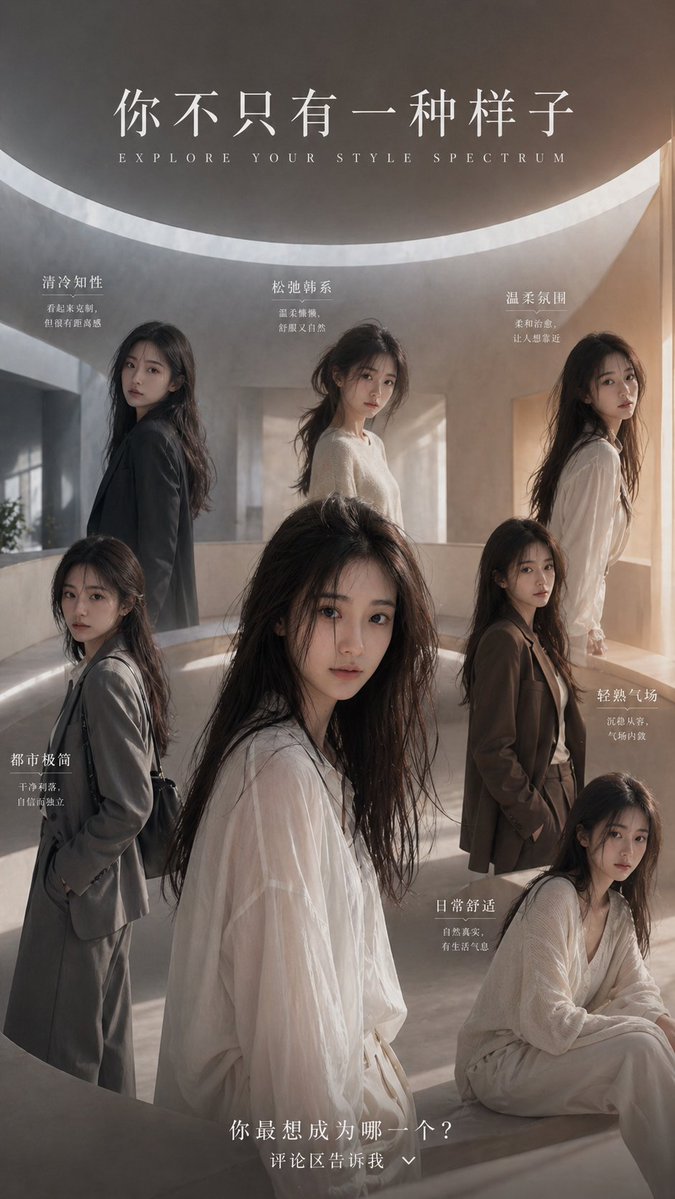
A photo and a typed description shown as two separate routes leading to two different portrait results

AI Portrait Generator

Photo in, or description in

There are two doors into an AI portrait generator and they behave differently. Hand it a photograph and the likeness is the anchor, so the output stays close to the person and the model mainly adjusts light, background, and crop. Write a description instead and the tool invents the face from scratch, which suits a placeholder avatar or a stock-style image but will not resemble anyone in particular. Choosing the wrong door is the usual cause of disappointment, since neither mode does the other's job well.

A close crop of a portrait showing skin texture, overlapping hair strands, and a single eye highlight

AI Portrait Generator

The details that decide believability

Believable skin is uneven. A face reads as plastic when every pore is smoothed to the same value, when the forehead has no sheen, or when both eyes catch the light identically. Hair is the second tell, since strands should overlap and cast their own small shadows rather than sit as a flat mass. Ears and the hairline are common weak points because they sit at the edge of attention, and an AI portrait generator that handles those two well is usually handling the middle of the face well too.

One face shown under front, side, and back rim lighting to compare the resulting mood

AI Portrait Generator

Light from a direction you name

Where the light comes from sets the mood more than any other choice. A soft source in front flatters and flattens, which is why it suits a corporate headshot. Light from one side carves the cheekbones and reads as editorial. Placed slightly above and behind, it produces a rim that separates the head from a dark background and instantly looks like a studio. Naming the direction rather than the mood is what lets an AI portrait generator reproduce the look twice.

The same portrait framed as a square avatar, a resume headshot, and a wide printed banner

AI Portrait Generator

Framing for the place it will sit

A portrait is shot for a destination. A profile picture crops square and tight, so the eyes land on the upper third and the shoulders fall out of frame. A resume or a company page wants a little more air above the head and a straight-on stance. A printed piece needs enough margin that the trim does not clip an ear. Generating at the ratio the destination uses avoids a second crop that quietly removes the headroom you just composed.

Four portraits of one person differing only in background, clothing, and crop

AI Portrait Generator

Keeping the same person across a set

Once a portrait is right, the temptation is to push for variations. The safe ones change the background, the wardrobe, or the crop and leave the face alone. Re-running with a new description produces a sibling rather than the same subject. Keeping the photo as the anchor for every later pass, and altering only the surroundings, is how an AI portrait generator returns a set that still looks like one person photographed on one afternoon.

AI Portrait Generator

What the AI portrait generator covers

The choices that separate a believable headshot from a render.

One subject, framed

The output is a single head and shoulders rather than a scene. With composition fixed, attention goes to the face, which is where a portrait is judged.

Photo or description

Upload a picture and the likeness is preserved while light and background shift. Write instead and the face is invented, which is fine for an avatar but not for matching a real person.

Named light directions

Front, side, or back-rim light can be requested by name, so the same setup is repeatable later. Mood follows the direction rather than a vague adjective.

Delivery-ready ratios

Square, portrait, and wide frames are produced at the ratio the destination uses, keeping headroom intact instead of cropping it away afterwards.

Texture kept honest

Skin keeps some unevenness and eyes keep their highlights rather than being smoothed flat. That restraint is what stops an AI portrait generator from producing the familiar waxy look.

Backgrounds that stay out of the way

A plain studio sweep, a soft office blur, or a neutral wall can be set behind the subject. Each keeps the face as the brightest thing in the frame.

AI Portrait Generator

Making a portrait with an AI portrait generator

Four steps from an input to a framed headshot.

1

Decide photo or description

Use a photo when the result must resemble someone. Use a description only for a stand-in image, since that route invents the face.

2

Set the frame first

Choose the ratio the destination needs, square for an avatar or taller for a resume. Framing first keeps the headroom from being trimmed later.

3

Name the light and the background

Pick a direction for the light and a plain or softly blurred backdrop. Both choices change the mood more than any adjective about style.

4

Check the edges, then export

Zoom into the ears, the hairline, and the eyes before saving. Those three areas are where an AI portrait generator slips, and they are easy to overlook at full-frame size.

AI Portrait Generator

AI portrait generator questions

Inputs, realism, and reuse.

What does an AI portrait generator make?

A single framed portrait, usually head and shoulders, from either a photograph you supply or a description you write. It stays within that scope rather than building full scenes, which is what keeps the face the center of attention.

Can it look like a specific person?

Only when you start from a photo of them. Uploading a picture anchors the likeness, and the tool then adjusts light, background, and crop. From a written description alone the face is invented and will not match anyone in particular.

Why do some results look waxy?

Heavy smoothing removes the small unevenness that real skin has. Choosing a gentler treatment, or requesting natural texture rather than a polished finish, brings back the variation that makes a face read as real.

Can I get a square version for a profile?

Yes, and choosing the square ratio before generating is better than cropping afterwards. Framing ahead keeps the eyes at the right height and stops a later crop from cutting the shoulders awkwardly.

Is it suitable for a resume or LinkedIn page?

Those are the uses it fits best, since a plain background and front lighting are exactly what a professional headshot wants. The result is an ordinary image file, ready to drop into a profile or a printed CV.

How do I keep the same face in several images?

Keep the original photo as the input for each pass and vary only the background, clothing, or crop. Rewriting the description each time gives you a similar person rather than the same one.

Should I retouch the result afterwards?

Light color correction is fine, but reshaping a jaw or widening eyes moves the picture toward an idealized face that no longer matches the person. For anything official or professional, small corrections age better than large ones.