
PngText
AI image Generator editing

Photo Editor AI

What changed when the hard part of editing stopped being the software and became the ability to say what you want and to tell whether you got it.

Where the effort moved to

Photo Editor AI

Learning a piece of software used to be the price of editing a picture. That price has moved. A photo editor ai asks for a different set of abilities, and they are not the ones most people spent years acquiring. This page is about where the skill went, and what it takes to build the two that replaced it.

  • The operating skill fades and the judging skill takes over
  • Two abilities carry nearly all of the work
  • A clean first result hides the real learning curve
  • Plenty of jobs still want a measured hand
A single text box on an empty screen representing the whole interface, with a source picture and its result waiting to be compared

Photo Editor AI

The price of an edit, and where it now sits

Why knowing the software is no longer the same as knowing how to edit.

For a long time, the barrier to editing a photograph was the instrument. Learn the layers, learn the curves, and the rest followed. A photo editor ai removes that barrier without removing the difficulty; it simply relocates it to a place with no manual, which is why so many people find the work easier and harder at the same time.

A screen split between a dense panel of editing controls and a single text box with a written request

Photo Editor AI

The skill used to live in the software

Picture work once asked you to know the instrument. Layers, masks, curves, channels, blend modes: each was an ability built over years and carried between jobs, and the software was where the difficulty of the craft sat. What a photo editor ai changes is not the difficulty of any single task but the place that difficulty lives. The old skill was operating the program, and it could be learned once. The new skill is naming a target and judging a result, and it has to be exercised on every picture. That relocation is easy to overlook, because the new interface looks simpler. Simpler to use is not the same as less to learn, and anyone working with one benefits from noticing where the effort went.

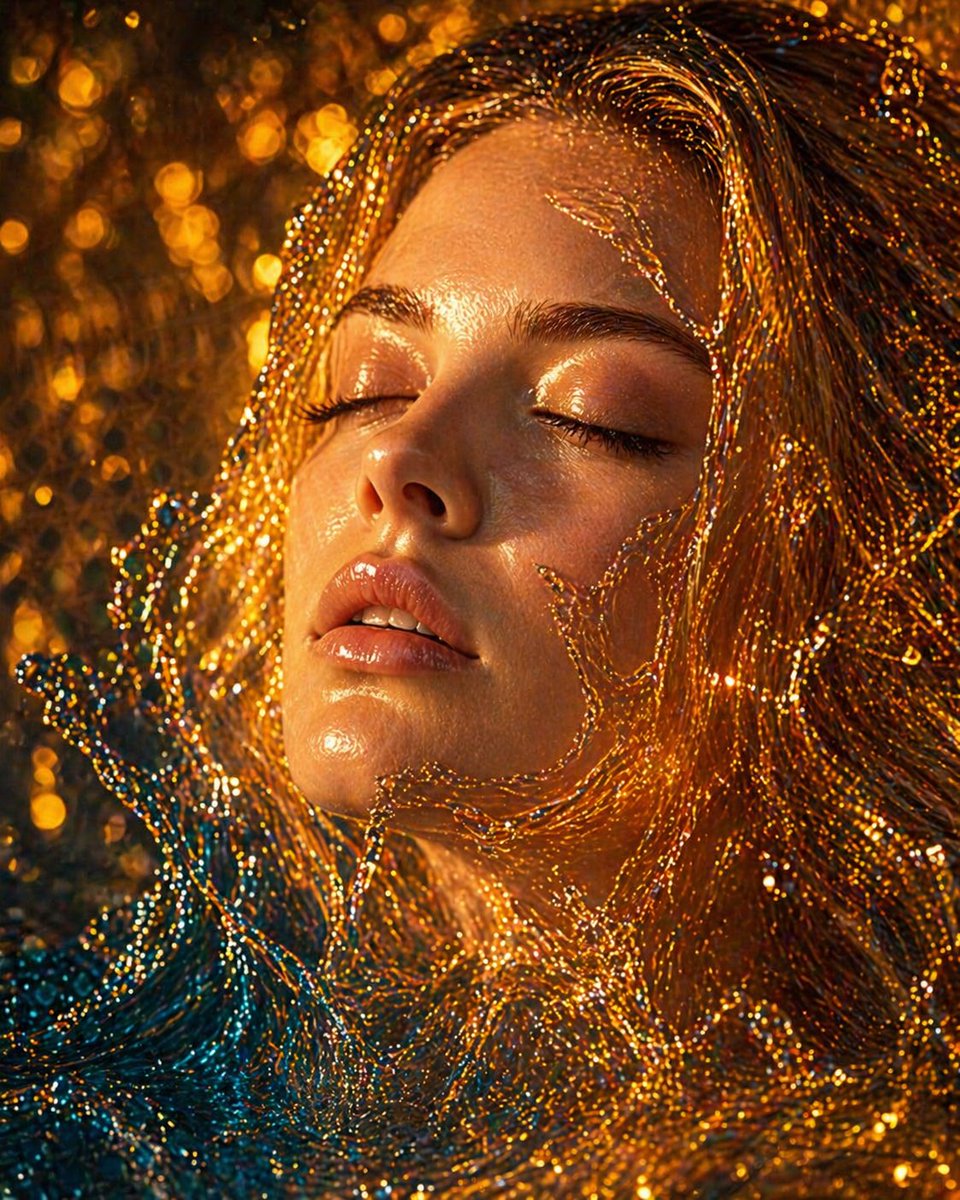
A finished frame held next to its untouched source, with a reader comparing the two by eye rather than by any tool

Photo Editor AI

What replaced it is naming and judging

Two abilities carry nearly all of the work now. The first is the vocabulary to point at a thing in a frame: the surface, the region, the direction of the change. The second is the judgment to look at a finished result and say whether it is right, which is harder than it sounds, because a plausible picture and a correct one are not always the same. A photo editor ai run will not tell you which of the two it has handed back. So the question of skill reduces to two others: can you say what you want, and can you tell whether you got it? Everything else is arrangement. Technique once moved the pixels; now a target and an eye do.

An interior annotated with ordinary nouns such as wall, floor, and window light instead of any technical setting name

Photo Editor AI

A vocabulary of targets, not of settings

The words that matter are ordinary. Wall, floor, shadow, edge, window light, the strap across the shoulder. None of them belongs to any software, and that is the point: they belong to the picture. A person arriving from an old editor tends to reach for the words of the tools, talking about a mask or a curve or a temperature, and the run has less to do with those terms than with the object they were meant to affect. Speaking in targets also makes a request checkable, because a target can be found on the screen afterwards. Building the habit of naming things you can point at is most of what a photo editor ai asks of its user.

A viewer toggling between a finished frame and its source to spot a difference the finished result alone would not reveal

Photo Editor AI

The eye no longer develops on its own

There is a quiet cost to a tool that always returns something reasonable. In a slow editor, a bad decision announced itself, and the mistakes taught the eye. With this kind of tool, a mediocre result still looks finished, so the eye is not corrected by the work. Judgment that used to be built by repetition has to be trained on purpose: by flipping between the result and the source, by learning the specific signals of an overdone pass, by keeping a small set of pictures whose faults you already know. Working with a photo editor ai rewards an eye developed outside the tool, because the tool will not develop it for you.

A grid of attempts on one picture in which the early frames look clean and a later one carries a fault left undiagnosed

Photo Editor AI

A clean first result hides the learning curve

The first attempt on an easy picture usually succeeds, and that success misleads. It teaches nothing about the case where a request has two targets, or the subject carries fine detail, or the phrasing that worked last time lands wrong. A photo editor ai can look mastered on day one and then fail on the sixth picture for a reason the user cannot name. The remedy is to keep the hard cases rather than deleting them, and to treat each failure as a question about the wording. The distance between a first result and a reliable workflow is mostly made of misses that were examined instead of shrugged off.

A measured crop and a color sample held against the screen beside a text box, showing work that a written request cannot cover

Photo Editor AI

What still needs a trained hand

Plenty of work stays out of reach, and knowing where the line falls is part of the skill. A precise crop to a required ratio, a color matched to a physical sample, a file prepared for a press, a retouch that has to preserve a specific texture: all of these want a measured hand and a real control, not a sentence. The tool is also poor at the judgment that decides whether a picture should be changed at all, which is a matter of purpose rather than of pixels. The person who gets the most from a photo editor ai keeps a proper editor beside it and moves between the two without sentiment about either.

A notebook of notes on which written requests worked and which drifted, kept beside a screen showing a source and its result

Photo Editor AI

Building the judgment the tool assumes

As the operating skill fades, judgment becomes the craft worth tending. The habits that build it are unglamorous: run one change at a time, keep the source beside the result, study the picture at its final display size, and note which phrasings land and which drift. Over enough pictures a person develops a private list of what a request tends to do, and that list is the real skill of working with a photo editor ai. It cannot be learned from a menu, because there is no menu. It is learned the way any eye is trained, by looking closely at results and staying honest about which ones were actually better.

Photo Editor AI

The abilities that carry the work now

What replaced the software knowledge, and how each one is built.

Wording as the working skill

The request is the instrument. A photo editor ai is steered by the words chosen for it, so building a plain, specific way of describing a target does more for the result than learning any panel of controls.

A judgment trained on purpose

A finished-looking result is not proof of a correct one, so the eye needs deliberate practice. Flipping between the result and the source is the repetition that a photo editor ai no longer supplies by itself.

Targets named in plain words

Ordinary nouns about objects and places make a request checkable, because a target can be found again on the screen. Technical labels borrowed from old software give the run less to aim at.

Failures kept and read

The pictures that miss are the ones worth keeping, since each is a question about the wording. Deleting them away leaves the user with the easy cases and no idea why the hard ones go wrong.

A proper editor kept near

Measured work such as an exact crop, a sampled color, or a press-ready file still belongs to a real control. Keeping that tool beside the written request is what lets each handle the part it does best.

A single change per run

A single named change per attempt keeps the result traceable, which matters more when the tool is a description. Running a photo editor ai one step at a time is how a miss stays a correction rather than a mystery.

Photo Editor AI

How the new skill is practiced

Four habits, from naming a target to reading what failed.

1

Name the target before reaching for anything

Look at the frame and say out loud what should change, in the words of the picture. Naming the target first is the habit that separates an attempt that lands from one that wanders.

2

Write the request in the picture's own words

Put the request in the language of objects, places, and directions rather than of settings. The run works from what the words point at, so ordinary nouns carry further than technical terms.

3

Judge the result against the source

Set the finished frame beside the file it came from and look for what moved unasked. This comparison is the eye's practice session, and with a photo editor ai it is the only check that catches a plausible miss.

4

Keep what failed and read it

Save the attempts that missed and work out which word caused the drift. The list of failures examined is what turns an occasional success into a workflow that holds up.

Photo Editor AI

Questions about the skill it asks for

What people ask when the software stops being the barrier.

Do I need editing skills to use a photo editor ai?

Not the old ones, but you need two others: the ability to name what should change and the ability to tell whether a result is right. Those are the skills a photo editor ai leans on, and they are built by practice rather than by learning any menu.

Can it replace a full editing program?

For appearance changes it often can, which is where a photo editor ai is strongest. For measured work such as an exact crop, a sampled color, or a press-ready file, a real editor is still needed, so most people keep both.

Why does a result that looks fine still feel wrong?

Because plausible and correct are different standards, and a photo editor ai meets the first far more often. The way to catch the difference is to compare the finished frame against the source, which is a habit rather than a setting.

How do I get better at writing the requests?

Run one change at a time, keep the source visible, and note which phrasings land. Over enough attempts a photo editor ai user builds a private sense of what a request tends to do, and that sense is the skill worth having.

Is it really easier than learning the old software?

Easier to start, not necessarily easier to master. The barrier drops, but the skill moves to naming and judging, and those still take work. A photo editor ai rewards an eye that was trained somewhere else.

Which pictures teach the most?

The difficult ones, kept rather than deleted. A frame with fine texture, a busy scene, or two targets in one request will show the user where the wording breaks, which an easy picture never will.

Does the skill carry between tools?

Largely, because the abilities are about naming and judging rather than about any one program. A person who can point at a target and read a result moves between a photo editor ai and the next tool with little to relearn.