PngText
AI image Generator editing

Photo to Pixel Art

A picture rebuilt on a grid, where the cell count and the palette decide what survives.

One color per cell

Photo to Pixel Art

A photo to pixel art conversion rebuilds an uploaded picture on a grid, where each cell holds one flat color and the palette can be counted. Resolution becomes the real subject of the work: fewer cells means the subject has to be legible from silhouette, color grouping, and contrast alone. Portraits, products, pets, and rooms all convert, provided the frame gives the grid something definite to place.

  • A fixed grid where each cell takes a single flat color
  • Palette size under your control, from a handful of shades upward
  • Silhouette and color grouping decide what stays recognizable
  • Suitable for avatars, sprites, icons, and retro social posts
A pixel art portrait on a monitor next to the portrait photo it came from

Photo to Pixel Art

A picture rebuilt on a grid

Every detail has to earn its cells, and most of them will not.

This page covers how grid size and palette count decide the result, why the silhouette matters more than the detail, and where a photo to pixel art file gets used once it is done.

The same portrait shown as pixel art at three grid sizes from coarse to fine

Photo to Pixel Art

Grid size decides what can survive

Pixel art is defined by its resolution before it is defined by anything else. At 16 cells across, an eye is one pixel and a mouth is a line; at 128 cells across, an eyelash can be drawn. The conversion works within that ceiling, so the first question is not how much detail to keep but how few cells the destination can afford. A sprite that has to display at 32 pixels cannot be rescued by keeping more of the photo.
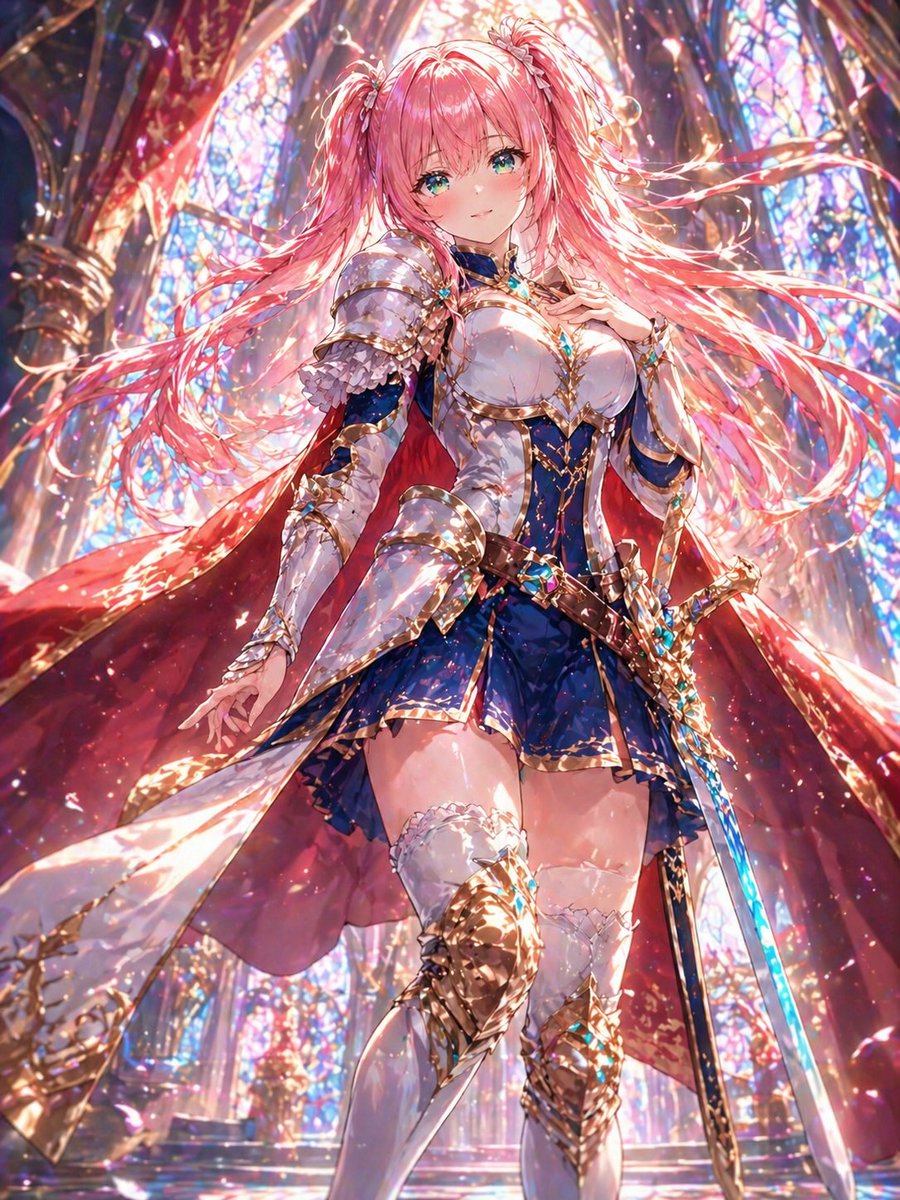
A photograph of a face beside pixel versions built from six colors and from thirty

Photo to Pixel Art

A palette you can count

Photographs hold thousands of colors, and a pixel grid holds a handful. Reducing the palette flattens gradients into bands: skin becomes three tones instead of a thousand, and a sky becomes four steps from horizon to top. That banding is a style choice rather than a defect, and the count matters more than the exact hues, since four or six colors read as a deliberate retro decision while thirty looks like a photograph that lost its resolution.

Two pixel figures at the same small size, one with clear limb separation and one that merges

Photo to Pixel Art

Silhouette first, detail later

At small sizes a viewer recognizes the shape and almost nothing else, which is why a photo to pixel art result stands or falls on the outline. A pose with clear separation between arms and body, a head held away from a shoulder, a subject that does not share a tone with its background — those choices decide whether the result reads. Detail inside the silhouette is a bonus that only pays off once the grid is large enough to hold it.

The same portrait through a mosaic filter and as pixel art, compared at the eyes and jawline

Photo to Pixel Art

How this differs from a mosaic filter

A mosaic divides the frame into squares and averages the pixels inside each one, which is why a mosaic looks like a photograph seen through frosted glass. A photo to pixel art conversion makes decisions the average cannot: it holds edges where they matter, groups colors into a coherent palette, and lets a form break the grid when that reads better. The difference shows in the eyes and the outline, the two places where an averaged block always turns to mush.

A pixel sprite beside a profile avatar and a small badge, all built from one conversion

Photo to Pixel Art

Sprites, avatars, and icons

Game sprites, community avatars, app icons, badges, and stickers all want the same thing: a subject that reads at small sizes. A photo to pixel art pass is a way to test a character or a prop before drawing it properly, since a reference that already reads at 32 cells tells you the pose works. For a production sprite the result is a starting point, because a person still cleans the outline, aligns it to the grid, and fixes stray cells.

A pixel art poster on a wall beside a matching favicon and in-app icon

Photo to Pixel Art

Where the retro look fits now

Pixel art has stopped being nostalgia and become one option among many. It carries zine covers, band merchandise, load-screen mockups, game jam entries, and social posts that want a mood a photograph cannot supply. The small file size is a practical advantage as well, since a pixel image stays sharp at one-to-one scale, which suits favicons, in-app icons, and anywhere a picture has to remain legible inside a tiny box.

Photo to Pixel Art

What the photo to pixel art tool does

Grid, palette, and how a photograph is rebuilt inside them.

Every cell holds one color

The result is built on a grid where no cell blends into its neighbor. Edges land on cell boundaries, which is what gives the image its stepped outline instead of a soft edge.

A counted palette

color count is chosen rather than inherited from the photo. Fewer shades push the result toward early console graphics, while a larger palette keeps subtle tonality for a cleaner modern look.

Resolution set for the destination

A sprite bound for a game wants a small grid, a poster wants a larger one. Choosing the cell count first keeps a photo to pixel art result free of detail that will not survive where it is going.

Faces rebuilt from a few marks

At low resolution a face becomes a handful of placed pixels for eyes, mouth, and hairline. A straight-on view with even light gives the conversion the clearest information to place them.

Readable when shrunk

Because the image is already built from small cells, it survives being displayed at its native size on a badge, a sticker sheet, a favicon slot, or an app tile.

A file that drops into a project

The file leaves as a plain image and goes into a game engine, an icon slot, or a social scheduler as it is. Alignment work that needs cell-perfect edges belongs in those tools.

Photo to Pixel Art

Rebuilding a picture on a pixel grid

Four steps from an upload to a retro image that reads at its real size.

1

Choose a photo with a strong subject

Look for clear separation from the background, readable light, and a pose that is obvious in outline. Crop tighter than feels necessary, because the grid discards surroundings first.

2

Set the grid and the palette

Decide the cell count from where the image will be displayed, then choose a color count to match. A small grid with a short palette gives the strongest retro read.

3

Judge it at actual size

Shrink the photo to pixel art result to the size it will appear on screen. If the subject is still obvious at that size, the conversion worked; if not, crop in and run it again.

4

Clean up what a hand would fix

For avatars and posts the result is ready to download. For a sprite or an icon, check the outline for stray cells and align the edges to the grid before it goes into a project.

Photo to Pixel Art

Photo to pixel art questions

Grid sizes, palettes, and what the result is realistically good for.

What is a photo to pixel art conversion?

It rebuilds an uploaded picture on a grid where each cell holds one flat color from a limited palette. The subject, pose, and color relationships come from the photo; resolution and detail are decided by the grid.

What kind of photo should I upload?

One with a clear subject, even lighting, and visible separation from what sits behind it. Portraits, pets, products, vehicles, and interiors all work when the crop is tight around the subject.

Will the subject still be recognizable?

Identity comes through in pose, silhouette, and the placement of a few key marks, not in fine detail. Recognition survives low resolution well; a faithful copy of the photograph does not, and should not be expected.

Can I use the result for a game sprite?

As a reference, yes, and it is a fast way to test whether a character design reads. A production sprite usually needs the outline cleaned and the pixels aligned by hand afterwards.

How is this different from a mosaic or blur filter?

A mosaic averages the pixels inside each square, so edges dissolve. A photo to pixel art conversion places edges, groups colors, and keeps the palette coherent, which is why eyes and outlines stay legible.

Can I make icons or stickers from it?

Yes, especially when the uploaded subject has a bold silhouette. Check the rights to the source image before selling anything made from it, and review the small details at actual display size.

The output looks busy. What helps?

Crop so the subject fills more of the frame and choose a grid size that matches where the image will live. Busy backgrounds and tiny subjects are what make a photo to pixel art result hard to read.