
PngText
AI image Generator editing

Text To Image

Making a picture out of a description is the one image job with no source file and therefore no reference to be faithful to. Everything the result contains came either from your sentence or from the model's own habits, and telling those two apart is the skill worth developing. This page covers what a prompt can actually settle, why word order matters, and how to revise without starting over.

No source photo, so the sentence is the whole brief

Text To Image

Text to image starts from nothing but a sentence, which sounds like freedom and works more like a brief. There is no photograph to match, so nothing can be wrong, but nothing can be verified either, and the only measure of a result is how close it came to what you had in mind. That makes the words themselves the material you are working with. Learning which parts of a scene language can pin down, and which parts are left to the model, is what turns a slot machine into a tool.

  • A first draft from a written description rather than a template
  • Frame shape chosen alongside the words
  • One clause revised at a time instead of rewriting the prompt
  • Iterations kept together so changes can be compared
A written description of a scene beside the generated picture it produced, with the frame shape and words kept together

Text To Image

Working with words is different from working with a photograph

Why there is no wrong answer, and why that makes the task harder.

Editing a photograph gives you a constant to argue with, since the file already says what the scene looked like and every change can be compared against it. Text to image removes that constant, and the result is judged only against an idea that was never written down in full. The practical consequence is that vague instructions produce confident pictures of the wrong thing, and a prompt that seems to describe a scene precisely often leaves the most important part of it undecided. That gap is the reason a text to image loop is built out of small revisions rather than one long sentence.

A short written description beside the picture it produced, with the words that clearly shaped the result underlined

Text To Image

There is nothing to be faithful to, so the sentence is the whole brief

With no source file there is no composition to respect, no existing light to match, and no object that has to stay where it is. That removes a long list of constraints and replaces them with one large one: everything in the result either came from your description or was supplied on your behalf. Text to image is therefore not a search for the right picture, it is a process of writing a brief tight enough that the wrong answers become unlikely. The first useful habit is reading your own prompt and asking which words would have to change to produce a different picture.
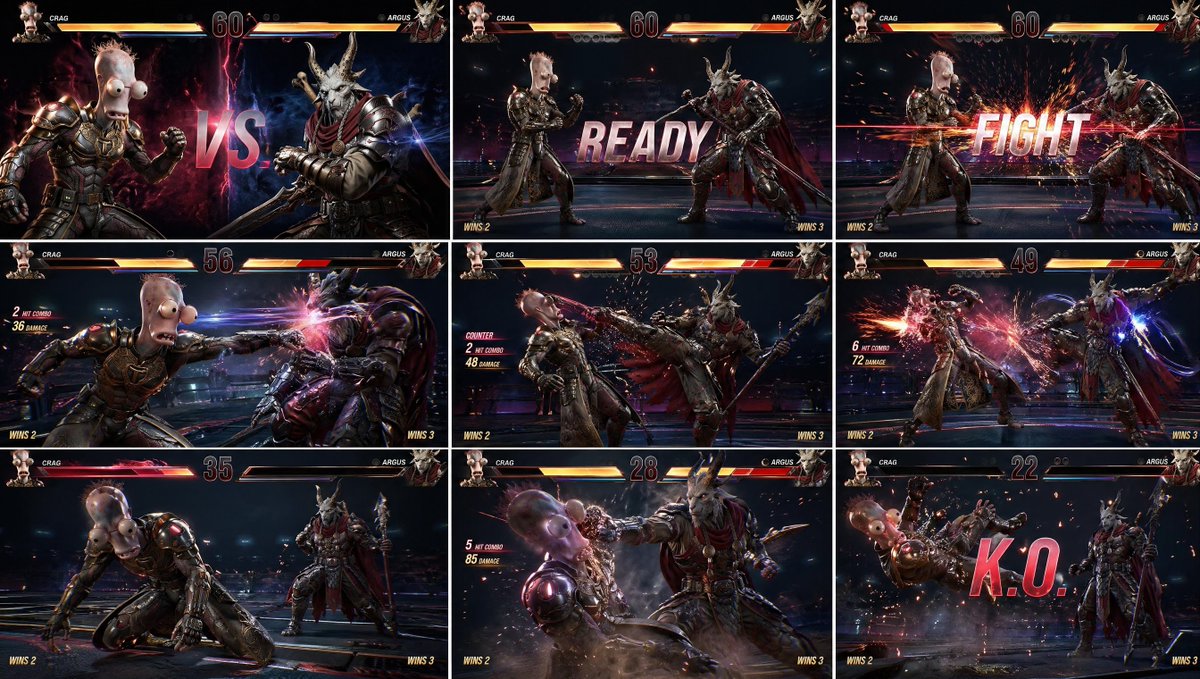
A prompt with four terms marked beside the generated scene, showing details that were added without being asked for

Text To Image

A prompt can settle four things, and the rest is filled in for you

Language is good at naming a subject, a setting, a style, and a mood, and those four carry most of the distance between an idea and an image. It is poor at specifying the things nobody thinks to mention: how many fingers a hand has, which way a background figure is facing, whether the third window from the left is open. Those details get resolved by the model because they have to be resolved somehow. Knowing the boundary is what stops you from writing a long prompt in the belief that length equals control. A written sentence directs a text to image result; it does not specify it.

The same set of words in two orders, with the subject leading in one result and the mood leading in the other

Text To Image

Word order carries weight, so the front of the prompt decides most

Terms early in a description tend to outweigh terms later in it, which is why a prompt that opens with a mood and buries the subject often comes back as an atmosphere with something in it. Putting the thing the picture is about in the first few words is the simplest improvement available. Style words placed last then act as a coat of paint over a composition that has already been settled. When a result is close but the emphasis is wrong, moving a phrase rather than rewriting it is often enough.

One prompt rendered in a wide frame beside the same prompt in a tall frame, with the different space around the subject

Text To Image

Model and frame shape are separate variables

Two settings sit outside the sentence, and both change the result substantially. The model decides how the words are interpreted, which affects rendering style and how literally an unusual instruction is taken. The frame shape decides how much room there is horizontally and vertically, which changes what a wide scene or a tall figure can contain. Changing both at once makes it impossible to attribute the difference to either. Pick a frame shape that fits the idea, hold it steady, and change one other thing at a time so a text to image session produces knowledge rather than souvenirs.

A first generation beside a second one in which only the light clause was changed, with the rest of the prompt held identical

Text To Image

When a result misses, revise the clause about the problem

A picture that came back too harsh is asking for softer light, one that is crowded is asking for fewer objects, and one where the subject is too close is asking for a wider view. Each of those is a change to a single clause. Rewriting the whole prompt after a near miss throws away the parts that were working, and it also removes the ability to learn anything from the comparison. Treating the description as a document you edit rather than a form you resubmit is the habit that makes text to image converge. Most ideas take three or four small revisions in a text to image session, not one perfect sentence.

A reference photograph beside a generated variation of it, next to a picture made from the same words with no reference

Text To Image

Starting from a reference picture is a different job

When an existing image is part of the input, the words stop being the whole brief and become an instruction about how to depart from something. That is a much more constrained task, closer to editing than to invention, and it rewards different language: what to keep, what to change, and what the reference should influence. Text to image with no input at all has no such anchor, so descriptions of proportion, camera distance, and arrangement do more work there than they would alongside a photograph. Mixing the two modes in one prompt usually produces something that follows neither.

A photorealistic generated portrait beside the written prompt that produced it, with no camera or file metadata attached

Text To Image

A generated picture is not a record of anything

Nothing in the frame was in front of a camera, so a generated image cannot show that a person was somewhere, that an event happened, or that a product looks a particular way. That is obvious when the result is clearly illustrative and much less obvious when it comes back photorealistic, which is where the trouble starts. Marketplaces, news desks, and product pages all have rules about this, and several now require generated images to be labeled. Those labels exist because a text to image tool can now produce something indistinguishable from a photograph. Text to image is a way of making a picture of an idea, and keeping that distinction visible is part of using it well.

Text To Image

What a text to image session gives you

The controls around the sentence, and the loop that turns a first draft into the picture you meant.

A first draft from a written description

The sentence produces an image rather than a search result, so the output is a fresh picture rather than an existing one that happens to match. A first draft is worth treating as a draft, not as a verdict on the idea.

Frame shape chosen before generating

A wide frame gives a landscape or a group the room it needs, while a tall one suits a standing figure or a poster. Setting the shape first keeps it from becoming a variable in every later comparison.

Style and light named in the words

Style terms and lighting terms apply a consistent treatment across a whole scene, which is how a series of related images is kept looking like a series rather than a collection.

One clause revised at a time

Each generation can be traced back to a single change in the wording, which is what makes a text to image session cumulative instead of a run of unrelated attempts.

Iterations kept together

Earlier versions stay visible beside the newest one, so a change that improved the picture can be told apart from one that only moved it sideways. Comparing versions side by side is the only reliable feedback a text to image session offers.

Words alone or alongside a reference

A session can run from text only, with nothing but the description to work from, or use an existing picture as a starting point when the result has to stay close to something real.

Text To Image

Turning a description into the picture you had in mind

Four steps from the first sentence to a controlled revision.

1

Write the subject first, then the look

Name the thing the picture is about in the opening words, and put setting, style, and mood after it. What a text to image result is of should not be the part of the prompt that carries the least weight.

2

Choose a frame shape that fits the idea

Decide wide, square, or tall before generating, based on whether the scene spreads sideways or stands up. Changing it later alters the composition and makes every previous result hard to compare.

3

Generate and read the result against your own words

Go back through the sentence and mark which terms the picture honored and which it ignored, because that gap is the most useful feedback a text to image run produces.

4

Change one clause and generate again

Adjust the phrase that describes the problem and leave the rest untouched, then compare the two results side by side before deciding what to change next.

Text To Image

Questions about making pictures from descriptions

Prompting, framing, revisions, and what a generated image can honestly be used for.

What is text to image?

It is a way of producing a picture from a written description instead of from a photograph. You describe the subject, setting, style, and mood, choose a frame shape, and the system generates an image that answers the description.

How do I write a prompt that works?

Start with the subject, then add the details that decide how it looks: setting, light, style, and palette. Concrete terms work better than flattering ones, since a description of warm side light changes the picture and a request for a beautiful result does not.

Why does the same prompt give different results?

Generation involves a random element, so identical wording produces a different arrangement every time. That is useful for exploring an idea and unhelpful when you want the same picture again, in which case the wording has to be tightened until the variation no longer matters.

Do I have to choose a model?

It helps. Different models interpret the same wording differently, especially for stylised or unusual subjects, so the choice is part of the direction you give a text to image run. Keep the prompt unchanged when comparing two of them.

How do I fix a picture that came out wrong?

Find the clause that describes the problem rather than rewriting everything. Softer light, fewer objects, or a wider view are each a single change, and changing only that one keeps the parts of the picture that were already right.

Can I start from a photo I already have?

Yes, and it changes the task from invention to variation. With a reference in play the wording becomes an instruction about what to keep and what to alter, which is a much narrower job than describing a scene from nothing.

Can a generated image be passed off as a photograph?

It should not be. Nothing in it was in front of a camera, so it cannot show that an event took place or that a product looks a particular way. Several platforms now require generated images to be labeled, and the distinction is worth keeping whether or not a rule demands it.