PngText
AI image Generator editing

GPT Transparent BG Image

A transparent background image editor has one job that ordinary editors do not: leaving the empty part of the canvas empty. Transparent pixels are a value stored in the file, and most editing passes quietly overwrite them with white.

Empty pixels are part of the file

GPT Transparent BG Image

A GPT transparent BG image is not a picture with something missing. It is a picture that carries a second layer of information, an alpha value sitting alongside every pixel that decides how much of the one underneath shows through. Edit the subject and let that layer survive, and the asset stays reusable anywhere. Edit the subject while the editor quietly paints the empty area white, and the cutout is gone.

  • Alpha values held through the edit rather than refilled
  • Subject restyled while the surrounding canvas stays untouched
  • Partial transparency preserved in glass, smoke, and soft edges
  • Result stays a layout asset instead of becoming a flat picture
A product cutout on a checkerboard beside the same cutout restyled over a dark panel

GPT Transparent BG Image

The empty area is data, not absence

Why an editor can ruin a cutout without looking like it did anything.

The sections below deal with what a GPT transparent BG image workflow has to protect: the alpha values that describe how opaque each pixel is, the anti-aliased rim where the subject meets nothing, the semi-transparent regions inside the subject itself, and the practical rules for keeping a file usable in a layout after the edit.

A cutout shown on a checkerboard and the same file after an edit that filled the empty area with white

GPT Transparent BG Image

Most editors see the empty area as white

A file format that carries transparency stores it as a number per pixel, from fully opaque to fully invisible. An editing pass that does not read that number treats the same pixels as either white or black, depending on the software, and every operation it performs assumes a solid sheet underneath. Exporting afterwards gives a picture with a white rectangle where the cutout used to be. It is not a dramatic failure, which is why it goes unnoticed until the asset is dropped into a dark layout. Everything a GPT transparent BG image pass does is arranged around avoiding that outcome.

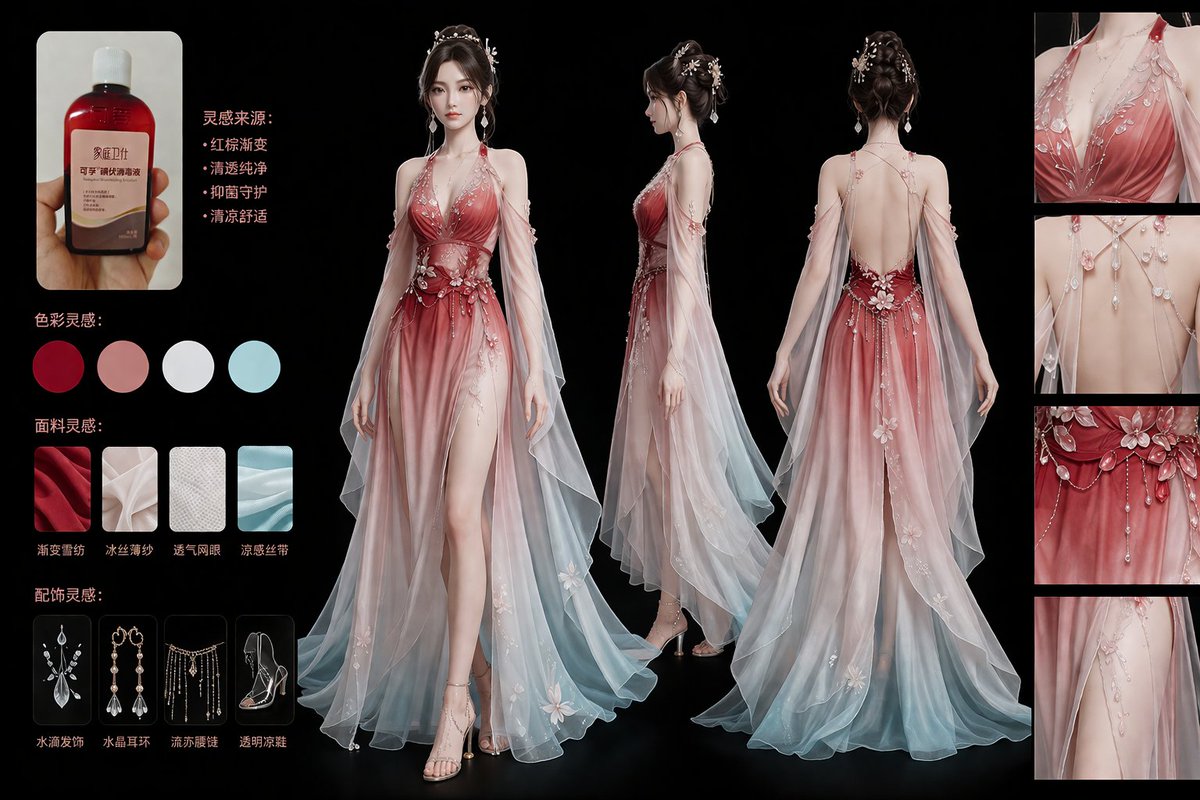
A magnified boundary showing the partial-opacity pixels that soften the edge of a cutout

GPT Transparent BG Image

The rim is a gradient, not a line

Where a subject meets nothing, the boundary is a narrow band of pixels at partial opacity, blended between the subject and whatever was behind it in the original photograph. Those values are what let an edge sit cleanly over a new background instead of showing a staircase. An edit that re-renders the silhouette from scratch loses them, and the tell is a thin bright or dark halo running around the subject, most visible against a strong color. Judging a GPT transparent BG image result means looking at that rim rather than at the middle of the object, because the middle almost always survives.

A glass bottle photographed with the see-through portion intact and then rendered as solid white

GPT Transparent BG Image

Some of the subject is meant to be see-through

A cutout is not always fully solid inside its own outline. Glass, mesh, smoke, thin fabric, and a wisp of hair at the temple all sit at partial opacity on purpose, and that is the information a product page or a composite depends on. An editing pass that treats the whole subject as opaque silently fills those regions in, and the object comes back as a sticker of itself. Checking one see-through area before committing is the fastest test of whether a GPT transparent BG image pass respected the file it was handed.

A product recolored in place with the surrounding canvas left empty in both versions

GPT Transparent BG Image

Ask for a change to the subject, not to the scene

The instruction should name the part of the object being altered and the finish it should take, and it should say explicitly that no backdrop, floor, or setting is wanted. Left unqualified, a prompt about a product can easily be read as a request for a full product photograph, complete with a surface to stand on. The more specific the description of the material, the less room there is for a background to appear. Naming both a change and a prohibition is what keeps a GPT transparent BG image pass on the right side of the line.

An edited cutout placed over a dark and a light panel to expose any halo along its outline

GPT Transparent BG Image

What has to be checked once the edit lands

Three places carry almost all the risk. The perimeter, where a halo or a roughened boundary shows that the silhouette was rebuilt. Any small detail the subject was known for, since letters and thin shapes are the first things to soften. And the parts that were meant to stay see-through, which are the easiest for an edit to quietly solidify. Opening the result on a mid-tone surface rather than on white gives all three a fair reading. It is the check most people leave out of a GPT transparent BG image round, and it is the one that catches the most.

One edited cutout exported twice, once with transparency intact and once flattened onto a solid tone

GPT Transparent BG Image

The container decides whether the work survives

A file format that has no way to store transparency will discard it on export, no matter how carefully it was preserved. That rules out the standard photographic format for anything meant to be layered, and it rules out saving a working copy as one. When a destination genuinely demands a flat file, the right move is to keep the transparent original and produce a separate flattened version with the background of that destination baked in, rather than surrendering the asset to satisfy one use. Keeping the master is what makes a GPT transparent BG image worth producing in the first place.

GPT Transparent BG Image

What is held steady while the subject changes

The parts of a cutout an edit is not allowed to disturb.

Empty canvas left empty

The area around the subject is never filled in, so the edit returns a GPT transparent BG image that can still be placed over any background rather than one locked to a solid tone.

Edge values maintained

The partial-opacity band along the outline survives the pass, which is what keeps a GPT transparent BG image from showing a bright or dark rim once it sits on a new surface.

See-through regions respected

Glass, mesh, and thin fabric keep their partial values instead of being rendered solid, so the material still reads as what it is after the change.

Material and finish described

Color, surface, and texture are specified in words, allowing a product or costume to be restyled without a second photograph or a manual repaint.

No scene introduced

The instruction is scoped to the subject so that no backdrop, floor, or setting appears where the transparency was. That is the failure that turns a GPT transparent BG image into an ordinary illustration.

Returned as a layer-ready file

Output keeps its transparency, so a GPT transparent BG image drops straight into a layout, a mockup, or an existing design without being cut out a second time.

GPT Transparent BG Image

Editing a cutout without losing the cutout

Four steps, from checking the source to testing the export.

1

Confirm the source has real alpha

Place the upload on a mid-tone panel first. If a white or black rectangle appears, the file is already flat and the transparency has to be recreated before a GPT transparent BG image pass can begin.

2

Describe the change and forbid the scene

Name the part of the subject, the material it should become, and state that no background is wanted. Leaving that last part out is how a background creeps into a recolor.

3

Inspect the perimeter at full magnification

Trace the outline looking for a halo or a roughened edge, and check one see-through region inside the subject. Those two spots reveal whether the GPT transparent BG image edit carried the alpha values through.

4

Export and test on a dark surface

Save the transparent original, then drop the GPT transparent BG image onto the darkest background it will realistically sit against. Fringes that are invisible on white are obvious there.

GPT Transparent BG Image

Questions about editing a cutout

Keeping transparency, protecting edges, and getting a usable file back.

What is a transparent background image editor for?

A GPT transparent BG image editor changes the subject while leaving the empty area around it empty. That combination is what makes the result useful in a layout, because the asset can be placed over any background instead of arriving with a rectangle attached.

Why did my edit come back with a white background?

The transparency was not read or not written back. Most editing operations assume a solid image underneath, and once the empty area has been filled there is nothing left to preserve. Rebuilding the cutout is the only fix at that point.

What should I write in the prompt?

The part of the subject you want changed, the material or finish it should become, and an explicit statement that the background should stay empty. Being concrete about the material reduces the chance that the instruction is read as a request for a full scene.

Does the result keep its transparency?

It should, and that is the point of asking for a GPT transparent BG image result rather than an ordinary edit. Verifying means placing the output over a dark surface, since a thin rim or a filled corner will not show up against white at all.

Can I still change the material of a product in a cutout?

Yes, and it is one of the more useful things to do with one. Recoloring, swapping a finish from matte to gloss, or updating packaging keeps the same silhouette and edge values, so the asset continues to fit layouts it was already used in.

Which file formats should I avoid?

Anything without an alpha channel, which covers the standard photographic format and most print-oriented exports. Keeping the editable original in a format that stores transparency, and flattening only for a destination that requires it, avoids losing a GPT transparent BG image to a single use.

What if the cutout has a visible rim after editing?

That is a sign the outline was re-rendered rather than carried through. Going back to the original cutout and repeating the GPT transparent BG image edit with a narrower instruction usually restores a clean boundary, since the surrounding pixels are still intact.